
You’ve probably seen it on your feed — a woman tosses raw cabbage into a bag with sesame oil, garlic, and a pinch of salt, shakes it for 30 seconds, and calls it the best thing she’s eaten all week. That’s Yamitsuki Cabbage, and it genuinely lives up to the name.
Yamitsuki (やみつき) means “addictive” in Japanese, and this dish has been a staple of Japanese izakayas — casual drinking gastropubs — for decades. What changed is TikTok and a growing appetite among women worldwide for recipes that are low-calorie, nutrient-dense, and actually delicious. Yamitsuki Cabbage checks every single one of those boxes.
Whether you’re meal-prepping for the week, looking for a lighter dinner side, or just craving something crispy and savory, this is the recipe you didn’t know you needed.
Key Takeaways
- Yamitsuki Cabbage means “addictive cabbage” in Japanese — a 5-minute izakaya staple made with sesame oil, garlic, and umami seasoning.
- One cup of raw cabbage contains just 22 calories and over 50% of your daily Vitamin C, according to USDA nutrition data.
- The dish went viral on TikTok after food creators discovered how shockingly good such simple ingredients taste together.
- It keeps in the fridge for up to 3 days, making it perfect for weekly meal prep.
What Is Yamitsuki Cabbage, Exactly?
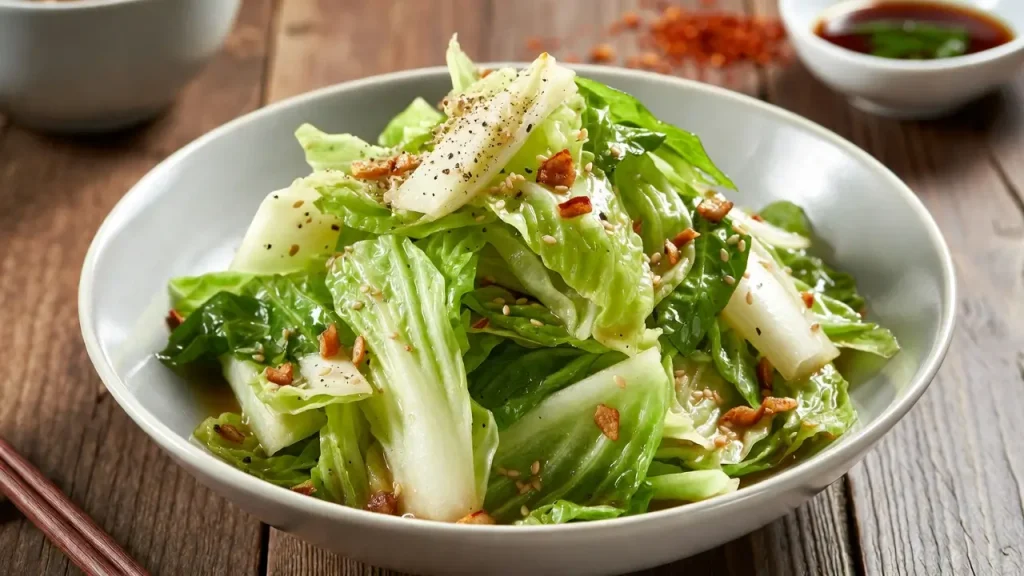
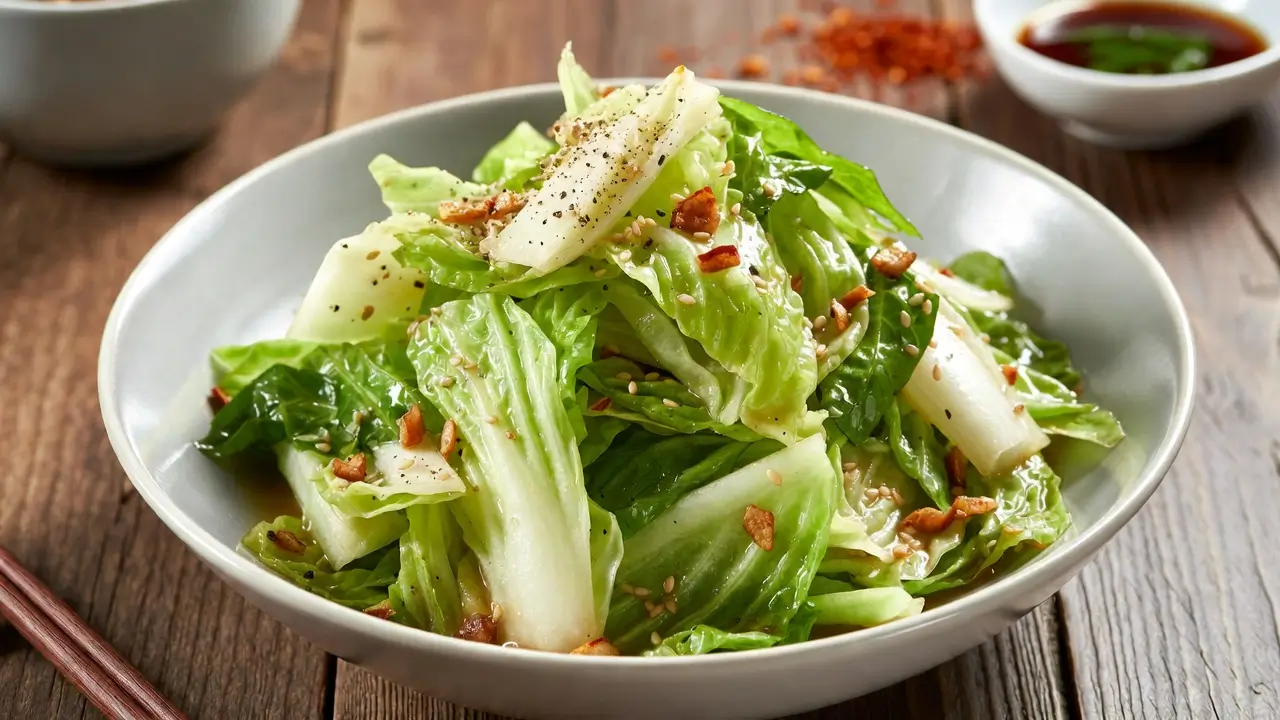
In 2025, Buzzfeed food writers declared Yamitsuki Cabbage “the dish that broke our brains” — and they weren’t exaggerating (Buzzfeed, 2025). At its core, Yamitsuki Cabbage is raw green cabbage tossed with sesame oil, grated garlic, salt, and an umami seasoning like konbu dashi or Chinese-style chicken powder. No cooking required. No special equipment. Just a bowl, a bag, and five minutes.
The dish is also called Shio Kyabetsu (塩キャベツ), which literally translates to “salt cabbage.” It became widely popular through the Japanese yakiniku (BBQ) chain Gyukaku, which serves it as a complimentary starter to cut through the richness of grilled meat. Over time, home cooks adopted it as a standalone snack, salad, and side.
What makes it “addictive” isn’t one bold flavor — it’s the combination. Sesame oil brings a nutty warmth. Garlic adds sharpness. Salt draws moisture from the cabbage and concentrates its natural sweetness. Umami seasoning ties it all together into something that keeps pulling you back for another bite.
Why Did Yamitsuki Cabbage Go Viral?
In 2025 and into 2026, Yamitsuki Cabbage became one of the most searched Japanese recipes globally, driven almost entirely by short-form video. Creators on TikTok filmed the 30-second prep process in real time, and the reactions — genuine surprise that something this simple could taste this good — did the rest.
What sets it apart from other viral food trends: most viral recipes require specialty ingredients or expensive equipment. Yamitsuki Cabbage uses items you almost certainly already have in your kitchen. That accessibility is the engine behind its longevity. Other viral dishes faded. This one built a permanent spot in weekly rotations.
The dish also slots perfectly into the values driving women’s food choices right now: low calorie, high flavor, fast prep, meal-prep friendly. It’s not a diet food — it’s just a genuinely good food that happens to be nutritious. That framing matters.
The Real Health Benefits of Yamitsuki Cabbage for Women
Before we get to the recipe, here’s why eating Yamitsuki Cabbage regularly is genuinely good for you — not just low-calorie, but actively supportive of women’s health.
Remarkably Low-Calorie and High-Volume
In 2025, USDA nutrition data confirmed that one cup (89g) of raw cabbage contains just 22 calories, 2.2g of fiber, and only 0.1g of fat (USDA FoodData Central, 2025). That’s one of the best calorie-to-volume ratios of any vegetable. A generous serving of Yamitsuki Cabbage — two to three cups — will fill your plate, satisfy your crunch craving, and keep your calorie count low.
Vitamin C That Actually Shows Up
One cup of raw cabbage delivers more than 50% of your recommended daily Vitamin C intake (USDA, 2025). Vitamin C supports collagen production, immune function, and iron absorption — all areas where women’s needs are frequently higher than men’s. The fact that Yamitsuki Cabbage is eaten raw is key: cooking destroys Vitamin C, so this dish preserves the full nutritional benefit.
Bone Health Support Through Vitamin K
Cabbage is one of the most concentrated plant sources of Vitamin K, a nutrient essential for bone density. According to WebMD, a lack of Vitamin K contributes directly to osteoporosis risk — a condition that affects women at nearly twice the rate of men (WebMD, 2024). Eating raw cabbage regularly is a simple, food-first way to support long-term bone health.
Gut-Friendly Fiber
The 2.2g of fiber per cup adds up quickly in a dish that’s easy to eat in volume. Fiber supports healthy digestion, feeds beneficial gut bacteria, and helps regulate blood sugar — all of which matter more for hormonal balance than most women realize.
How to Make Yamitsuki Cabbage (Classic Recipe)
Ready in 5 minutes. Serves 2–3 as a side dish.
Ingredients
- ½ head of green cabbage (about 400g / 14 oz)
- 1 tsp sesame oil (plus more to taste)
- ½ tsp grated garlic (about 1 small clove)
- ½ tsp fine sea salt
- ½ tsp konbu dashi powder, chicken stock powder (Weipa/Ajinomoto), or MSG
- 1 tbsp toasted sesame seeds
- Black pepper to taste
- Optional: a few drops of rice vinegar for brightness
Step-by-Step Instructions
Step 1: Cut the cabbage. Remove the outer leaves and core. Tear or cut the cabbage into rough 3–5cm pieces. Irregular pieces create more surface area for the seasoning to coat.
Step 2: Season in a bag (or bowl). Place the cabbage in a large zip-lock bag or mixing bowl. Add the salt first and toss gently. Let it sit for 60 seconds — this draws a little moisture from the cabbage and primes it to absorb flavor.
Step 3: Add the aromatics. Add grated garlic, sesame oil, dashi or stock powder, sesame seeds, and black pepper. If using a bag, seal it and massage the seasoning into the cabbage with your hands. If using a bowl, toss with tongs or clean hands.
Step 4: Taste and adjust. Taste a piece. Does it need more sesame oil? More salt? A little acid? Trust your palate. Yamitsuki Cabbage is forgiving — it’s almost impossible to over-season.
Step 5: Serve immediately or chill. Serve right away for maximum crunch, or refrigerate for 15–30 minutes for a slightly more marinated texture. Both versions are excellent.
Yamitsuki Cabbage Variations Worth Trying
Spicy Yamitsuki Cabbage
Add ½ tsp of gochugaru (Korean chili flakes) or a drizzle of chili oil. The heat plays beautifully against the sesame nuttiness. This is the version that tends to convert even people who “don’t like cabbage.”
Purple Cabbage Version
Swap green cabbage for purple/red cabbage for a striking color and a slightly peppery, earthier flavor. Purple cabbage also contains anthocyanins — plant pigments linked to heart health and reduced inflammation — making this variation the most nutritionally dense of the bunch (Healthline, 2024).
Vegan Yamitsuki (Without Chicken Stock)
Replace chicken stock powder with konbu dashi or a good-quality kombu-based seasoning salt. The umami depth is identical — konbu is actually the original umami source that MSG was designed to replicate.
Citrus Variation
Add the zest of half a lemon and a teaspoon of yuzu juice (or lemon juice) for a bright, fresh version that works well as a palate cleanser between richer courses.
How to Serve Yamitsuki Cabbage
Yamitsuki Cabbage is one of the most versatile side dishes in the Japanese repertoire. Here’s how it fits into everyday meals:
- With grilled protein: The classic pairing. Serve alongside grilled chicken, salmon, or tofu to cut through richness with crunch and acid.
- As a base for grain bowls: Layer Yamitsuki Cabbage under steamed rice, a soft-boiled egg, and pickled ginger for a satisfying lunch.
- In tacos or wraps: Use it as a slaw-style filling. The sesame flavor pairs surprisingly well with Korean BBQ beef or pulled chicken.
- As a pre-dinner snack: Set it out before dinner the way izakayas do. It’s light enough not to ruin your appetite but satisfying enough to stop you reaching for chips.
According to Just One Cookbook, Yamitsuki Cabbage pairs especially well with fatty dishes like tonkatsu (pork cutlet) or gyoza because the cabbage’s crunch and acidity balance heavier flavors.
Storage and Meal Prep Tips
Yamitsuki Cabbage stores well in an airtight container in the fridge for up to 3 days (Okonomi Kitchen, 2025). The texture softens slightly as it sits — some people actually prefer it this way, as the flavors deepen and meld overnight.
Meal prep tip: Make a double batch on Sunday. Store it in two separate containers — one to eat fresh in the first two days while it’s still crunchy, and one to let marinate longer for days three and four when you want a softer, more pickled texture.
What doesn’t work: Freezing. The cabbage becomes mushy and loses all its appeal once thawed. Make it in the quantity you’ll realistically eat within three days.
Frequently Asked Questions About Yamitsuki Cabbage
Yamitsuki (やみつき) means “addictive” or “habit-forming” in Japanese. The name describes exactly what this dish does to you — once you start eating it, it’s difficult to stop. The full name Yamitsuki Kyabetsu (やみつきキャベツ) simply means “addictive cabbage.”
Technically yes, but sesame oil is the soul of this dish. Without it, you’re just eating salted cabbage. If you’re allergic to sesame, a neutral oil with a few drops of toasted sesame-free seasoning can approximate the flavor, but the result won’t be quite the same.
At just 22 calories per cup (USDA, 2025), raw cabbage is one of the most volume-efficient vegetables you can eat. A generous portion of Yamitsuki Cabbage comes in under 150 calories total. Its high fiber content also supports satiety, which means it can genuinely help with appetite management as part of a balanced diet.
Coleslaw is typically dressed with mayonnaise or a creamy vinaigrette and often contains carrots and onions. Yamitsuki Cabbage is dressed with sesame oil and umami seasoning — it’s lighter, more savory, and distinctly Japanese in flavor. The two dishes share a format (raw, dressed cabbage) but taste completely different.
Yes. Napa cabbage (hakusai) works beautifully and is actually more traditional in some regional Japanese versions. It has a softer texture and a more delicate flavor. Green cabbage provides more crunch and holds up better over multiple days, making it the better choice for meal prep.
Conclusion
Yamitsuki Cabbage is proof that the most satisfying food isn’t always the most complicated. Five minutes, six ingredients, zero cooking — and you end up with something that genuinely earns the word “addictive.” It’s crunchy, savory, umami-rich, and light enough to eat every single day without guilt.
For women especially, it’s a rare recipe that delivers on flavor, nutrition (hello, 50%+ daily Vitamin C in one cup), and convenience simultaneously. Add it to your weekly meal prep, serve it alongside almost anything, and watch it become the most-requested dish in your rotation.
Make a batch this week. You’ll understand the name by the second bite.
 AuthorSarah TeamDifficultyBeginner
Yamitsuki Cabbage is Japan's viral izakaya side dish — 22 calories per cup, ready in 5 minutes, full of umami. Full recipe and benefits inside.
Step 1: Cut the cabbage. Remove the outer leaves and core. Tear or cut the cabbage into rough 3–5cm pieces. Irregular pieces create more surface area for the seasoning to coat.
Step 2: Season in a bag (or bowl). Place the cabbage in a large zip-lock bag or mixing bowl. Add the salt first and toss gently. Let it sit for 60 seconds — this draws a little moisture from the cabbage and primes it to absorb flavor.
Step 3: Add the aromatics. Add grated garlic, sesame oil, dashi or stock powder, sesame seeds, and black pepper. If using a bag, seal it and massage the seasoning into the cabbage with your hands. If using a bowl, toss with tongs or clean hands.
Step 4: Taste and adjust. Taste a piece. Does it need more sesame oil? More salt? A little acid? Trust your palate. Yamitsuki Cabbage is forgiving — it’s almost impossible to over-season.
Step 5: Serve immediately or chill. Serve right away for maximum crunch, or refrigerate for 15–30 minutes for a slightly more marinated texture. Both versions are excellent.