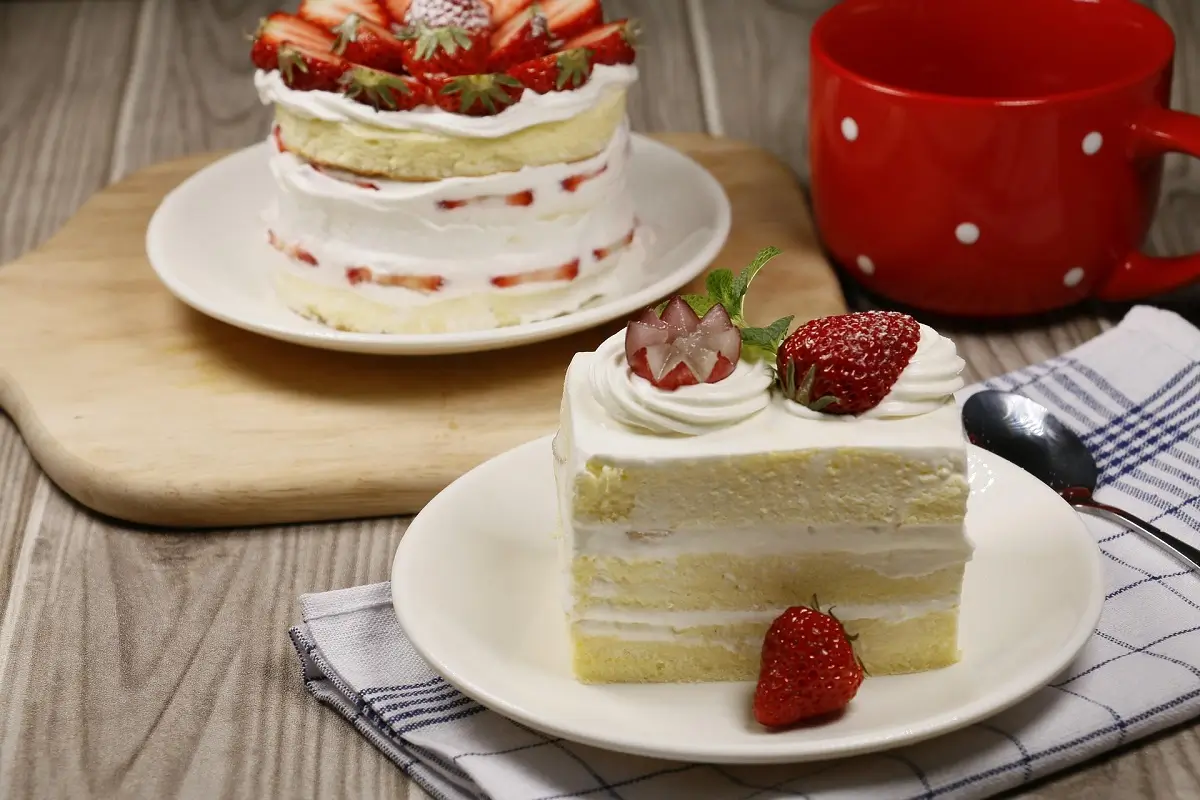
Master cakes and tarts at home with step-by-step techniques, 3 beginner recipes, and pro fixes for the most common mistakes. 65% of Americans bake weekly.
Yields 1 Serving Servings Quarter (0.25 Servings) Half (0.5 Servings) Default (1 Serving) Double (2 Servings) Triple (3 Servings)
Ingredients:
225 g / 1 cup unsalted butter, at room temperature
225 g / 1 cup caster sugar
4 large eggs
225 g / 1 3/4 cups self-raising flour (or plain flour + 2 tsp baking powder)
1 tsp vanilla extract
23 tbsp milk
Steps:
1 Preheat your oven to 180°C / 350°F. Grease and line two 20cm round tins.
2 Beat butter and sugar together for at least 5 minutes until pale, fluffy, and almost white in colour. Don't rush this.
3 Add eggs one at a time, beating well after each. If the mixture looks curdled, add a spoonful of flour — this brings it back.
4 Fold in the flour gently using a large metal spoon or spatula. Fold, don't stir — you're preserving the air you worked hard to create.
5 Add vanilla and enough milk to bring the batter to a slow dropping consistency (it should fall off the spoon in 3-4 seconds).
6 Divide between tins and bake for 20-25 minutes. Don't open the oven in the first 15 minutes.
7 The cake is done when a skewer comes out clean and the surface springs back when pressed lightly.
8 Cool in the tins for 10-15 minutes, then transfer to a wire rack. Never cool a cake in a sealed tin — condensation makes the base sticky.
Ingredients Ingredients:
225 g / 1 cup unsalted butter, at room temperature
225 g / 1 cup caster sugar
4 large eggs
225 g / 1 3/4 cups self-raising flour (or plain flour + 2 tsp baking powder)
1 tsp vanilla extract
23 tbsp milk
Directions Steps:
1 Preheat your oven to 180°C / 350°F. Grease and line two 20cm round tins.
2 Beat butter and sugar together for at least 5 minutes until pale, fluffy, and almost white in colour. Don't rush this.
3 Add eggs one at a time, beating well after each. If the mixture looks curdled, add a spoonful of flour — this brings it back.
4 Fold in the flour gently using a large metal spoon or spatula. Fold, don't stir — you're preserving the air you worked hard to create.
5 Add vanilla and enough milk to bring the batter to a slow dropping consistency (it should fall off the spoon in 3-4 seconds).
6 Divide between tins and bake for 20-25 minutes. Don't open the oven in the first 15 minutes.
7 The cake is done when a skewer comes out clean and the surface springs back when pressed lightly.
8 Cool in the tins for 10-15 minutes, then transfer to a wire rack. Never cool a cake in a sealed tin — condensation makes the base sticky.
How to Bake Cakes and Tarts at Home

 AuthorSarah TeamDifficultyIntermediate